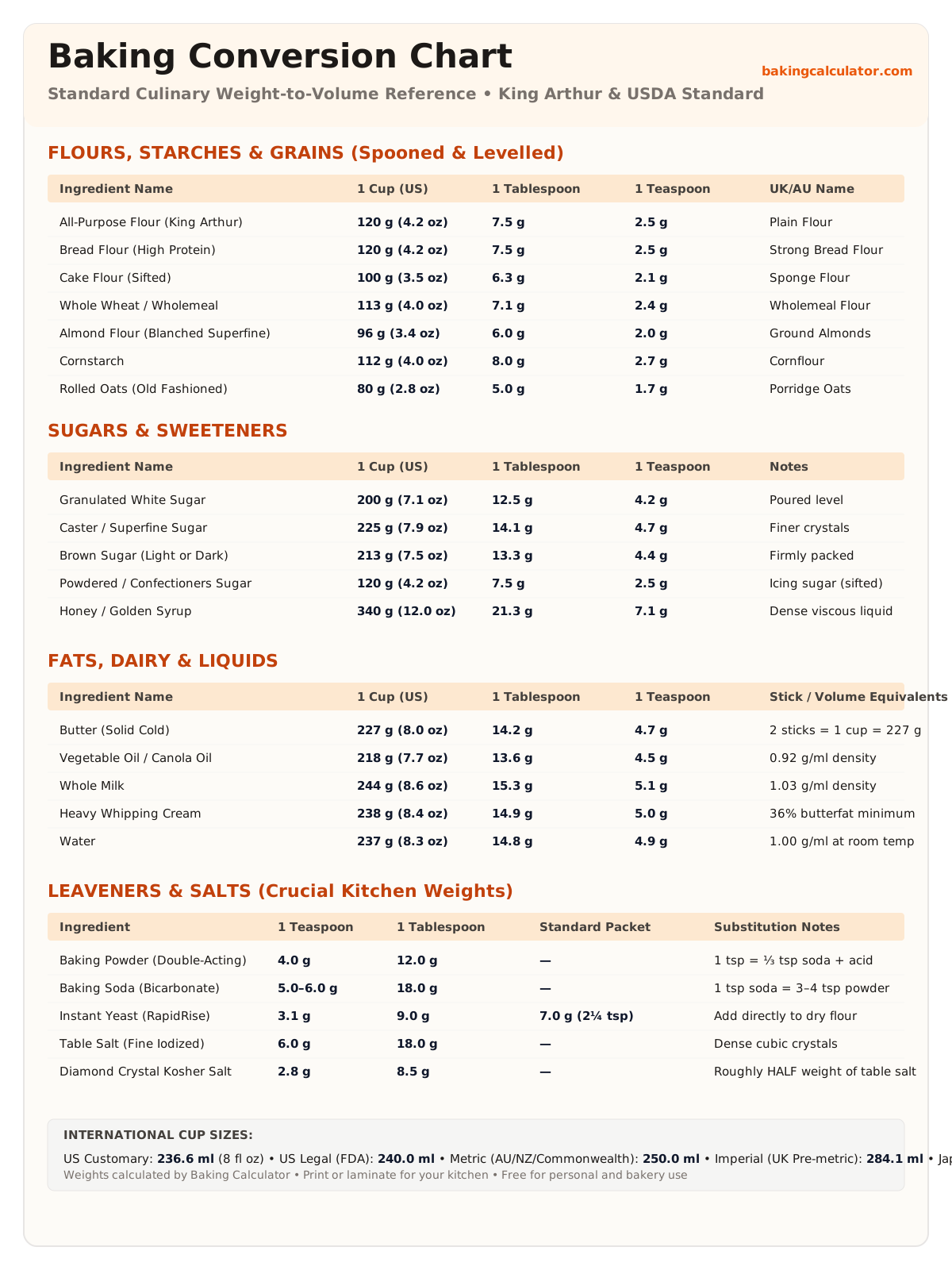
Precision Baking Measurement Conversion Chart
Baking is an exact chemical discipline. Unlike stovetop cooking where a pinch of salt or a splash of broth can be adjusted by taste, baking formulas depend on exact ratios of flour protein, fat lubrication, moisture hydration, and sugar caramelization.
Volumetric measurements like measuring cups introduce significant variability: a single cup of flour can weigh anywhere from 110 grams (if sifted) to 150 grams (if scooped directly from a dense sack). This baking conversion calculator and master equivalent chart bridges the gap, translating recipes into exact metric grams for consistent kitchen success.
International Culinary Equivalents: US, UK & Commonwealth Terms
Baking recipes often use regional culinary terminology for ingredients that share identical physical densities. Use this table when converting international baking recipes:
| US / North American Term | UK / Australian / NZ Term | Weight (1 US Cup) | Functional Equivalency Notes |
|---|---|---|---|
| All-Purpose Flour | Plain White Flour | 120 g | US flour has ~11.7% protein; UK plain flour is ~10%. |
| Bread Flour | Strong White Bread Flour | 120 g | High gluten flour (12–14% protein) for bread structure. |
| Powdered / Confectioners Sugar | Icing Sugar | 120 g | Pulverized sugar with 3% cornstarch anti-caking agent. |
| Granulated Sugar | Caster Sugar / White Sugar | 200–225 g | Caster sugar is more finely milled (225g/cup) and dissolves faster. |
| Baking Soda | Bicarbonate of Soda (Bicarb) | 5.0–6.0 g / tsp | 100% pure sodium bicarbonate. |
| Cornstarch | Cornflour | 112 g | Refined maize starch thickener. In the UK, cornflour is pure starch. |
Master Baking Conversion Chart: Volume to Weight
The table below provides direct weight conversions from US customary cups to metric grams, ounces, tablespoons, and teaspoons across 20 essential baking staples:
| Ingredient | 1 US Cup | ½ Cup | 1 Tbsp | 1 Tsp | Metric Cup (250ml) |
|---|---|---|---|---|---|
| All-Purpose Flour | 120 g | 60 g | 7.5 g | 2.5 g | 126.8 g |
| Bread Flour | 120 g | 60 g | 7.5 g | 2.5 g | 126.8 g |
| Cake Flour | 100 g | 50 g | 6.25 g | 2.08 g | 105.7 g |
| Whole Wheat Flour | 113 g | 56.5 g | 7.06 g | 2.35 g | 119.4 g |
| Almond Flour | 96 g | 48 g | 6 g | 2 g | 101.4 g |
| Rye Flour (Medium) | 102 g | 51 g | 6.38 g | 2.13 g | 107.8 g |
| Oat Flour | 92 g | 46 g | 5.75 g | 1.92 g | 97.2 g |
| Spelt Flour | 100 g | 50 g | 6.25 g | 2.08 g | 105.7 g |
| Coconut Flour | 112 g | 56 g | 7 g | 2.33 g | 118.3 g |
| Cornstarch | 112 g | 56 g | 8 g | 2.67 g | 118.3 g |
| Self-Raising Flour | 113 g | 56.5 g | 7.06 g | 2.35 g | 119.4 g |
| Granulated Sugar | 200 g | 100 g | 12.5 g | 4.17 g | 211.3 g |
| Caster Sugar | 225 g | 112.5 g | 14.06 g | 4.69 g | 237.8 g |
| Brown Sugar (Light or Dark) | 213 g | 106.5 g | 13.31 g | 4.44 g | 225.1 g |
| Powdered Sugar | 120 g | 60 g | 7.5 g | 2.5 g | 126.8 g |
| Coconut Sugar | 154 g | 77 g | 9.63 g | 3.21 g | 162.7 g |
| Honey | 340 g | 170 g | 21.25 g | 7.08 g | 359.3 g |
| Maple Syrup (Pure) | 312 g | 156 g | 19.5 g | 6.5 g | 329.7 g |
| Golden Syrup | 340 g | 170 g | 21.25 g | 7.08 g | 359.3 g |
| Molasses (Dark/Unsulphured) | 328 g | 164 g | 20.5 g | 6.83 g | 346.6 g |
Embed This Baking Conversion Tool on Your Website
Food bloggers and culinary educators can embed a quick conversion widget on their recipes using the clean HTML snippet below:
<div style="border: 1px solid #e7e5e4; border-radius: 12px; padding: 16px; font-family: sans-serif; max-width: 480px; background: #fafaf9;"> <h4 style="margin: 0 0 8px; font-size: 16px; color: #1c1917;">Baking Conversion Calculator</h4> <p style="margin: 0 0 12px; font-size: 13px; color: #57534e;">Convert cups to grams and ounces for precision baking.</p> <a href="https://bakingcalculators.netlify.app/baking-conversion-calculator/" target="_blank" style="display: inline-block; background: #ea580c; color: #ffffff; text-decoration: none; padding: 8px 14px; border-radius: 6px; font-size: 12px; font-weight: bold;">Open Baking Calculator →</a> </div>
Attribution to Baking Calculator is included directly in the snippet. Free to use on personal and commercial food blogs.
Frequently Asked Questions
How do I convert a whole baking recipe list into grams at once?
Paste your recipe list directly into the Whole-Recipe Converter tab above (one ingredient per line, e.g., "2 cups all-purpose flour"). The tool automatically identifies the ingredient, extracts the volume, and calculates the exact weight in grams and ounces according to standard density values.
What is the difference between US, Metric, and Imperial cups in baking?
A US Customary cup holds 236.588 ml (8 US fluid ounces). A Metric cup (used across Australia, New Zealand, and South Africa) holds 250 ml. A traditional British Imperial cup holds 284.131 ml (half an Imperial pint). When converting recipes across borders, this volume variance causes up to a 20% discrepancy in flour weight if unadjusted.
How many grams are in 1 teaspoon of baking powder versus baking soda?
1 level teaspoon of double-acting baking powder weighs 4.0 grams. 1 level teaspoon of baking soda (sodium bicarbonate) is denser, weighing between 5.0 and 6.0 grams depending on crystal size. Weighing chemical leaveners prevents metallic aftertastes and sunken cakes.
What is the UK equivalent of American all-purpose flour and granulated sugar?
In the UK, all-purpose flour corresponds to plain flour, granulated sugar is standard white sugar (or caster sugar for finer sponge crumbs), powdered sugar is icing sugar, and baking soda is labeled bicarbonate of soda.
Can I embed this baking conversion chart on my own blog or website?
Yes. You can copy the HTML embed snippet provided below to embed the conversion reference directly on your recipe site with clean attribution to Baking Calculator.
Citations & Culinary References
- King Arthur Baking Ingredient Weight Chart — King Arthur Baking Company (Primary standard for spooned & leveled flours (120g/cup) and dry baking goods.)
- USDA FoodData Central Nutrient Database — United States Department of Agriculture (Reference laboratory densities for sugars, dairy liquids, and cooking fats.)
- NIST Handbook 44: Specifications and Tolerances for Measuring Devices — National Institute of Standards and Technology (Metric to US customary volume and mass conversion constants.)